EOT Crane Load Testing and Certification in Navi Mumbai
EOT Crane Load Testing and Certification in Navi Mumbai
Professional EOT crane inspection, load testing and certification support for industrial, engineering, logistics, marine and heavy material-handling applications.
Electric Overhead Travelling cranes are widely used in industrial facilities where heavy materials, machinery, fabricated components and equipment need to be lifted and moved safely. In Navi Mumbai, EOT cranes are commonly relevant to manufacturing units, engineering facilities, warehouses, fabrication workshops, logistics operations, industrial estates and companies involved in marine and offshore activities.
As these cranes are responsible for handling heavy loads, their structural condition and lifting mechanisms need appropriate inspection and testing. Regular assessment can help equipment owners understand the condition of the crane and identify components that may require maintenance, repair or further examination.
AP Engineering Company provides EOT Crane Load Testing and Certification in Navi Mumbai for industrial and commercial lifting applications. The company provides lifting equipment inspection, testing and certification services and also offers NDT, calibration, consultancy and third-party inspection support.
EOT crane testing may be required during new equipment commissioning, periodic inspection, after significant maintenance or repair, equipment verification or when a project requires documented testing and certification.
Understanding EOT Crane Load Testing
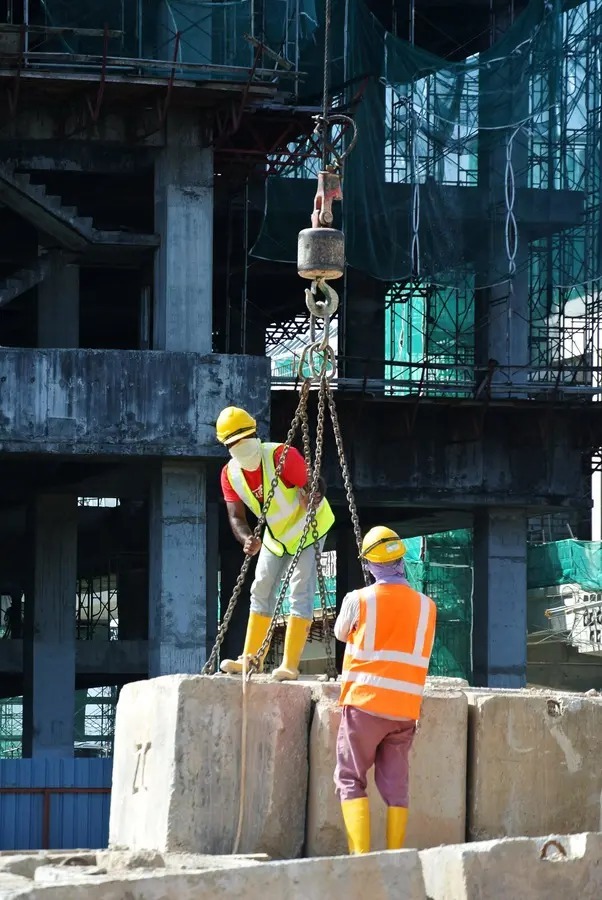
EOT crane load testing is a controlled procedure used to assess the performance of an Electric Overhead Travelling Crane under a defined test load.
The purpose of the test is not simply to determine whether the crane can lift a particular weight. A proper assessment may also involve examining the crane structure, hoisting arrangement, hook, wire rope, braking mechanism, travelling system and relevant safety components.
Before applying the test load, the equipment can be inspected to identify visible damage, excessive wear, deformation or other conditions that may affect the testing process.
Depending on the crane's capacity and testing requirement, load cells or dynamometers may be used for measuring the applied load.
Why EOT Crane Testing Is Important in Navi Mumbai
Navi Mumbai has developed into an important industrial, commercial and logistics region with manufacturing facilities, warehouses, engineering companies, fabrication units and businesses supporting shipping and offshore operations.
Many industrial premises depend on lifting equipment for regular material movement. EOT cranes may be used to shift machinery, steel sections, production components, heavy assemblies and other equipment.
Frequent lifting cycles can place operational demands on mechanical and structural components. An organized inspection and testing program can therefore be useful for monitoring the condition of lifting equipment.
EOT crane testing can assist with:
- Crane condition assessment
- Lifting capacity verification
- Inspection of important crane components
- Identification of visible defects
- Load measurement
- Post-maintenance assessment
- Post-repair verification
- New crane commissioning
- Periodic inspection requirements
- Certification documentation
- Third-party inspection requirements
The actual inspection and testing scope should be established according to the crane configuration, rated capacity, operating environment and applicable requirements.
EOT Crane Inspection for Industrial Units in Navi Mumbai
Industrial units often use EOT cranes as part of their internal material-handling system. A crane may move heavy components between production areas, storage locations, fabrication zones or maintenance sections.
Before load testing, an inspection can provide an overview of the crane's physical and operational condition.
Depending on the equipment, inspection may cover:
- Crane girder and structural arrangement
- End carriages
- Travelling mechanism
- Hoisting system
- Crane hook
- Wire rope
- Sheaves
- Brake system
- Electrical controls
- Limit switches
- Safety devices
- Pendant controls
- General crane condition
The observations from the inspection can help determine whether further maintenance or examination is necessary before proceeding with testing.
EOT Crane Testing for TTC Industrial Area and Nearby Facilities
The TTC industrial belt is an important industrial zone in the Navi Mumbai region, with different types of engineering, manufacturing, processing and industrial businesses operating in the area.
Such facilities may use overhead cranes for machinery movement, equipment handling, production support and heavy material transportation within their premises.
For these applications, an EOT crane needs to remain suitable for its intended lifting duties. Inspection and load testing can form part of a company's lifting equipment maintenance and safety program.
EOT Crane Load Testing in Navi Mumbai can be planned according to the equipment's capacity, application and required inspection scope.
EOT Crane Hook Inspection and Assessment
The hook is one of the primary load-bearing components of an EOT crane. It forms the connection between the crane's lifting system and the load being handled.
Because of its importance, the hook should be included in the overall crane inspection where applicable.
Inspection may consider visible signs of:
- Deformation
- Excessive wear
- Surface damage
- Cracking
- Abnormal opening
- Other visible deterioration
The hook assembly and related lifting connections can also be reviewed as part of the inspection.
If additional examination is considered necessary, suitable NDT techniques may be selected according to the component and inspection requirement.
Wire Rope Inspection for Overhead Cranes
Wire ropes operate under repeated tension, bending and loading during normal EOT crane use. Their condition can change depending on operating frequency, environmental exposure, lubrication and maintenance practices.
Inspection may look for visible conditions such as:
- Broken wires
- Wear
- Corrosion
- Kinking
- Crushing
- Bird-caging
- Deformation
- Other visible abnormalities
The rope's associated sheaves and arrangement may also be reviewed.
Checking the wire rope as part of the overall crane inspection provides a broader view of the lifting mechanism rather than concentrating only on the crane motor.
Hoisting Mechanism and Brake Inspection
The hoisting mechanism is responsible for raising and lowering the load, while the braking arrangement helps control crane movement and load positioning.
Both systems therefore have an important role in crane operation.
During an inspection, the hoisting and braking arrangements can be examined according to the applicable inspection scope. Unusual movement, abnormal noise, visible wear or other operational observations may indicate the need for maintenance or additional investigation.
The equipment should be operated and tested according to its technical requirements and relevant manufacturer's recommendations.
EOT Crane Testing for Warehouses and Logistics Operations
Navi Mumbai has a strong warehousing and logistics ecosystem, where heavy equipment and materials may need to be moved within industrial premises.
EOT cranes can support handling activities involving machinery, industrial products, fabricated components and heavy equipment.
A warehouse crane can experience repeated lifting and travelling cycles, making inspection an important part of equipment management.
EOT crane inspection can cover the lifting mechanism, travelling arrangement, hook, wire rope, brakes and relevant safety devices. Where required, load testing can be performed under controlled conditions and documented for certification purposes.
EOT Crane Testing for Manufacturing and Engineering Companies
Manufacturing and engineering facilities may use overhead cranes to support production and maintenance operations.
Crane downtime can affect material movement and production activities. Regular inspection and testing can help identify equipment conditions that may require corrective action.
For manufacturing units in Navi Mumbai, an EOT crane testing program can be considered for:
- Periodic inspection
- New equipment commissioning
- Post-repair assessment
- Maintenance verification
- Lifting capacity assessment
- Safety documentation
- Project-specific requirements
The testing scope should always be selected according to the actual crane and its intended application.
EOT Crane Testing for Fabrication Workshops
Fabrication companies regularly handle steel structures, frames, machinery parts and heavy fabricated assemblies.
EOT cranes can make these operations more efficient by allowing large components to be moved between fabrication and assembly areas.
Frequent handling can place operational demands on crane components. Inspection of the hook, wire rope, hoisting system, brakes and structural components can help identify visible conditions requiring attention.
Third-party inspection may also be considered where an independent assessment is required by a client or project.
EOT Crane Testing for Marine and Offshore Support Facilities
Navi Mumbai's industrial environment is also connected with marine, offshore and shipping-related activities.
Lifting equipment used in these environments may handle heavy machinery, fabricated sections, structural components and specialized equipment.
Because such operations can involve demanding lifting conditions, appropriate inspection and testing of lifting equipment is important.
AP Engineering Company focuses on lifting solutions and testing services for onshore, offshore, shipping and industrial sectors. Its service portfolio includes load testing and certification of lifting appliances and loose gears, along with NDT and third-party inspection services.
EOT Crane SWL Verification in Navi Mumbai
Safe Working Load, or SWL, is an important consideration when using lifting equipment.
An EOT crane should be operated within its specified capacity and according to the equipment's technical information and applicable requirements.
During an inspection and testing assignment, the crane's rated capacity and available documentation may be reviewed.
Where required, suitable load-measuring equipment can be used to support the testing process.
AP Engineering Company provides verification and calibration support for lifting equipment and offers SWL verification and related testing support.
Load Cells and Dynamometers for EOT Crane Testing
Load measurement is an important part of controlled crane testing.
Depending on the crane capacity and testing arrangement, load cells or dynamometers can be used to measure the applied load.
AP Engineering Company provides calibration services for dynamometers and load cells. The company also provides precision load cell rental capabilities for high-capacity requirements.
The appropriate measuring device should be selected according to the crane capacity and specific testing conditions.
NDT Services for EOT Crane Components
Visual examination may not always be enough when a component requires more detailed assessment.
Non-Destructive Testing can be considered for suitable components where additional examination is required without damaging the component.
AP Engineering Company provides NDT services including:
- Magnetic Particle Inspection
- Ultrasonic Testing
- Dye Penetrant Inspection
The appropriate method depends on the component, material and inspection objective. NDT can complement visual inspection and load testing where additional technical examination is appropriate.
EOT Crane Load Testing After Repair
An EOT crane may undergo repair or component replacement because of mechanical wear, electrical problems or other operational issues.
After significant repair work, appropriate inspection and testing may be required before the equipment returns to normal operation.
EOT Crane Load Testing after repair in Navi Mumbai can provide an opportunity to assess the crane under defined testing conditions.
The testing scope should depend on the nature of the repair, affected components and technical requirements of the equipment.
EOT Crane Testing for New Installation
New EOT crane installations may require inspection and testing before being placed into regular service.
A pre-commissioning inspection can provide an opportunity to review the crane installation, structural arrangement, hoisting system, travelling mechanism, controls and safety devices.
Where required, a controlled load test can then be performed according to the defined testing procedure.
Inspection and testing records can also provide useful documentation for future maintenance and periodic inspection activities.
EOT Crane Certification Services in Navi Mumbai
Certification provides documented information regarding the inspection and testing carried out on lifting equipment.
The exact certification requirements can vary depending on the equipment, testing scope, project requirements and applicable regulations.
AP Engineering Company provides inspection, testing and certification services for lifting appliances, loose gears and special-purpose equipment.
For EOT cranes, certification support can form part of an overall lifting equipment safety and compliance program.
Third-Party EOT Crane Inspection in Navi Mumbai
An independent third-party inspection can be useful when a company, client or project requires an objective assessment of lifting equipment.
Third-party EOT crane inspection may be considered for:
- Periodic equipment assessment
- New equipment commissioning
- Client inspection
- Project requirements
- Post-repair verification
- Equipment condition assessment
- Certification requirements
- Safety documentation
The inspection scope can be customized according to the crane type, operating environment and purpose of the inspection.
AP Engineering Company provides consultancy and third-party inspection services for lifting operations and industrial safety requirements.
EOT Crane Load Testing Process in Navi Mumbai
A typical EOT crane testing assignment can involve several stages:
1. Crane Information Review
Relevant crane information, rated capacity, identification details and available equipment documentation are reviewed.
2. Preliminary Examination
The crane structure and major lifting components are visually examined before testing.
3. Component Inspection
The hook, wire rope, sheaves, hoisting mechanism, brakes and safety-related components are assessed according to the inspection scope.
4. Test Arrangement
The appropriate testing arrangement and load-measuring equipment are selected according to the crane capacity and testing requirement.
5. Load Testing
The crane is tested under controlled conditions using the defined test load and testing procedure.
6. Operational Observation
The crane's lifting, lowering and travelling performance is observed during the test.
7. Recording of Results
Relevant inspection observations, measurements and test results are documented.
8. Certification
Where applicable, certification documentation is prepared based on the completed inspection and testing results.
Why Choose AP Engineering Company for EOT Crane Testing in Navi Mumbai?
AP Engineering Company is headquartered in Navi Mumbai and focuses on lifting equipment, load testing, inspection, certification, calibration, NDT and related industrial safety services.
For businesses searching for EOT Crane Load Testing and Certification in Navi Mumbai, relevant service capabilities include:
- EOT crane inspection
- Crane load testing
- Lifting equipment certification
- On-site testing support
- Load cell and dynamometer services
- SWL verification
- NDT inspection
- Post-repair testing
- Third-party inspection
- Calibration services
- Technical consultancy
- Lifting equipment assessment
The company also provides in-house and on-site inspection, testing and certification for lifting equipment and accessories.
Professional EOT Crane Load Testing and Certification in Navi Mumbai
EOT cranes are an important part of material handling in manufacturing plants, engineering facilities, fabrication workshops, warehouses, logistics operations and marine-related industrial environments.
Because these cranes are regularly used for lifting and moving heavy loads, appropriate inspection and testing can help equipment owners maintain a better understanding of crane condition and lifting performance.
AP Engineering Company provides EOT Crane Load Testing and Certification in Navi Mumbai along with inspection, SWL verification, NDT, calibration and third-party inspection support.
The service can be planned for new crane installations, periodic inspection, post-repair assessment, equipment verification and project-specific testing requirements.
If your organization requires EOT Crane Testing in Navi Mumbai, EOT Crane Load Testing, EOT Crane Inspection, EOT Crane SWL Verification, EOT Crane Certification, EOT Crane NDT Testing or Third-Party EOT Crane Inspection, AP Engineering Company can provide technical support based on the equipment and testing requirements.