EOT Crane Load Testing and Certification in Pune
EOT Crane Load Testing and Certification in Pune
Professional EOT crane inspection, load testing and certification support for industrial lifting applications.
EOT cranes, or Electric Overhead Travelling Cranes, are widely used for moving and positioning heavy materials inside manufacturing plants, engineering facilities, fabrication units, warehouses, workshops and industrial production areas. Since these cranes regularly handle substantial loads, their condition, lifting capacity and safety-related components need to be assessed through appropriate inspection and testing procedures.
AP Engineering Company provides EOT Crane Load Testing and Certification in Pune for industries that require professional inspection, load testing, safety assessment and certification support for overhead lifting equipment. The service is intended to help equipment owners verify the operational condition of their cranes and maintain appropriate inspection and testing records.
EOT crane testing can become particularly important when a crane is newly installed, after major maintenance or repair, when its rated capacity needs to be verified, or when periodic inspection and certification is required. A structured inspection and testing process helps identify equipment-related concerns before the crane continues with regular lifting operations.
What Is EOT Crane Load Testing?
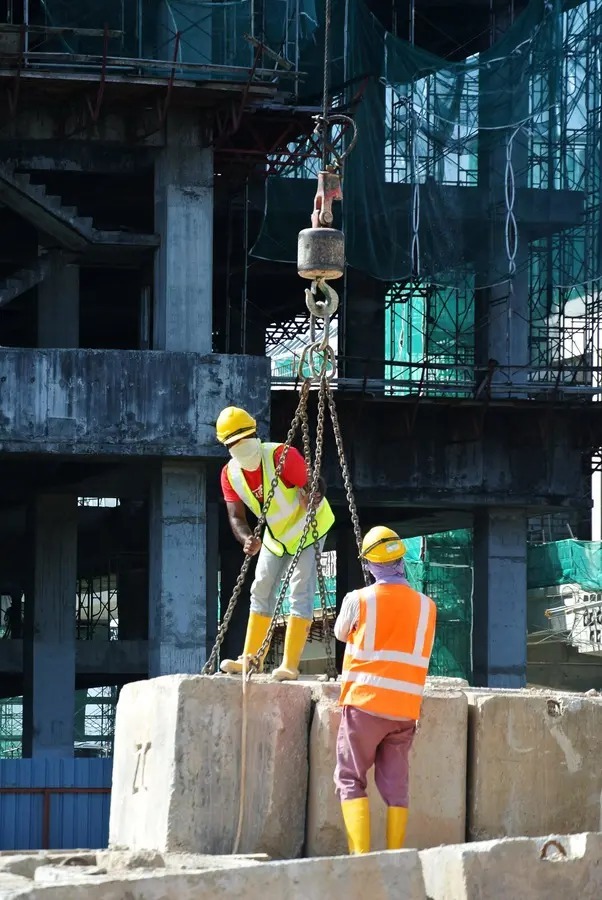
EOT crane load testing is a controlled procedure used to evaluate the lifting performance of an Electric Overhead Travelling Crane under an appropriate test load. The test helps assess whether the crane and its relevant lifting mechanisms can perform according to the intended operating requirements.
The assessment may involve examination of the crane structure, hoisting mechanism, hook assembly, wire rope, brakes, travelling mechanism and other relevant components before the actual load test is conducted.
Depending on the equipment and testing requirement, suitable load-measuring equipment such as load cells or dynamometers may be used for accurate measurement and verification.
Why EOT Crane Testing Is Important in Pune Industries
Pune has a strong industrial and engineering ecosystem with manufacturing facilities, fabrication workshops, automobile-related operations, warehouses and engineering companies using cranes for regular material handling.
An EOT crane that operates continuously may experience wear in its mechanical and lifting components over time. Regular inspection and appropriate testing can help identify conditions that may require maintenance or corrective action.
Professional EOT crane testing can help businesses with:
- Assessment of lifting equipment condition
- Verification of lifting capacity
- Inspection of critical crane components
- Identification of visible wear or damage
- Load measurement and testing
- Post-repair verification
- Periodic inspection requirements
- Equipment safety documentation
- Certification support
The exact inspection and testing scope should always be determined according to the crane type, application and applicable requirements.
EOT Crane SWL Verification
Safe Working Load, commonly referred to as SWL, is an important consideration when evaluating lifting equipment. An EOT crane should be operated within its specified capacity and according to the manufacturer's and applicable technical requirements.
During an inspection and testing assignment, the crane's rated capacity and available equipment documentation can be reviewed. Where required, appropriate load testing and measurement procedures can be used to verify the crane's lifting performance.
AP Engineering Company provides load testing and certification services for lifting equipment and accessories, including inspection and testing support for lifting appliances.
EOT Crane Inspection Before Load Testing
Load testing should not be treated as the only part of crane evaluation. A preliminary inspection is important before applying a test load.
The inspection may include a review of:
- Crane structure and major components
- Hoisting arrangement
- Crane hook
- Wire rope
- Sheaves and related components
- Brake mechanism
- Electrical and control systems
- Limit and safety devices
- Travelling mechanism
- Pendant or control arrangement
- General condition of the crane
Visible defects, abnormal wear, deformation or other concerns may require attention before the equipment proceeds to further testing.
EOT Crane Hook Inspection
The hook is one of the most important load-bearing components of an overhead crane. It remains directly involved in connecting the load to the lifting mechanism and therefore requires careful examination.
During inspection, the hook may be checked for visible deformation, wear, cracks or other abnormalities. The condition of the hook assembly and associated lifting connection should be assessed as part of the overall crane inspection.
Where additional examination is required, suitable NDT methods may also be considered depending on the component and inspection requirement.
Wire Rope and Lifting Component Inspection
Wire ropes used in EOT cranes are subjected to repeated bending, tension and loading during normal operation. Their condition can change with usage, environment and maintenance practices.
Inspection of wire rope may focus on visible deterioration, broken wires, excessive wear, corrosion, deformation and other conditions that could affect lifting performance.
Other lifting components can also be examined as part of the inspection process. This systematic approach helps provide a more complete assessment of the crane rather than focusing only on the lifting motor or rated capacity.
EOT Crane Brake and Hoisting Mechanism Testing
The hoisting mechanism plays a central role in lifting and lowering loads. Braking performance is also important because the crane needs controlled movement during lifting operations.
Inspection and testing can include assessment of the hoisting arrangement and associated braking mechanism. Any unusual operating behaviour, excessive wear or maintenance concern should be addressed according to the equipment manufacturer's recommendations and applicable requirements.
A professional inspection helps equipment owners understand the condition of these critical systems before continuing with regular crane operations.
EOT Crane Load Testing After Repair
An EOT crane may undergo maintenance or repair because of component wear, mechanical problems, electrical issues or other operational requirements.
After significant repair or replacement of important components, appropriate inspection and testing may be required before the crane is returned to service.
EOT Crane Load Testing after repair in Pune can help establish whether the repaired equipment is performing appropriately under the defined testing conditions. The inspection scope should be decided based on the nature of the repair and the equipment's technical requirements.
EOT Crane Testing for New Installation
Newly installed EOT cranes may require inspection and testing before being placed into regular industrial service.
Commissioning-related inspection can provide an opportunity to review the crane installation, lifting mechanism, controls, safety devices and other important components.
Where applicable, load testing can then be conducted according to the planned testing procedure. Proper documentation of the inspection and testing process can support the equipment's commissioning and future maintenance records.
EOT Crane Testing for Manufacturing Units
Manufacturing facilities often depend on overhead cranes for moving raw materials, machinery components, finished products and heavy assemblies.
A crane failure or unexpected lifting problem can interrupt production and create operational risks. Regular inspection and testing can therefore form part of a broader equipment maintenance program.
AP Engineering Company can support manufacturing and engineering facilities with EOT crane inspection, load testing and certification requirements.
EOT Crane Testing for Engineering and Fabrication Units
Engineering and fabrication companies frequently use EOT cranes for handling steel structures, fabricated components, machinery and heavy assemblies.
The lifting environment can involve frequent crane movement and repetitive loading. Proper inspection of the crane and its load-bearing components can help identify maintenance requirements before they become larger operational problems.
Third-party inspection and testing can also provide an independent assessment of the equipment when required by a project or client.
EOT Crane Testing for Warehouses
Warehouses and industrial storage facilities may use overhead cranes for handling heavy materials and equipment. Safe and controlled crane movement is important when loads are transported across working areas.
EOT crane inspection can cover the major lifting and travelling systems along with relevant safety components. Where required, load testing can be carried out as part of the overall inspection and certification process.
Load Cells and Dynamometers for Crane Testing
Accurate load measurement is an important part of controlled crane testing. Load cells and dynamometers can be used where suitable to measure applied loads during testing procedures.
AP Engineering Company provides calibration services for dynamometers and load cells and also offers precision load cell rental capabilities for high-capacity requirements.
The selection of measurement equipment depends on the crane capacity and specific testing requirement.
NDT Services for EOT Crane Components
In some situations, visual inspection alone may not provide sufficient information about the condition of a component. Non-Destructive Testing can be considered for suitable crane components where further examination is required.
AP Engineering Company provides NDT services including Magnetic Particle Inspection, Ultrasonic Testing and Dye Penetrant Inspection. These methods can be used according to the component, material and inspection requirement.
NDT can therefore complement visual inspection and load testing when a more detailed assessment is required.
EOT Crane Certification Services in Pune
Certification provides documented evidence of the inspection and testing carried out on lifting equipment. The exact certification process and documentation depend on the equipment, inspection scope and applicable requirements.
AP Engineering Company provides testing, inspection and certification services for lifting appliances, loose gears and related lifting equipment. The company's stated services include both in-house and on-site inspection, testing and certification.
For EOT cranes, certification support can form part of a broader equipment safety and compliance program.
Third-Party EOT Crane Inspection in Pune
An independent third-party inspection can be useful when an organization requires an objective assessment of its lifting equipment.
Third-party inspection may be required for:
- Periodic equipment assessment
- Project requirements
- Client inspection requirements
- Pre-commissioning checks
- Post-repair verification
- Equipment condition assessment
- Certification requirements
The inspection scope can be customized according to the crane and the specific purpose of the inspection.
EOT Crane Testing and Certification Process
A typical EOT crane testing assignment may involve several stages:
1. Equipment Information Review
Relevant crane details, rated capacity and available technical documentation are reviewed.
2. Visual Inspection
The crane and major components are examined for visible damage, wear and abnormal conditions.
3. Component Inspection
Hooks, wire ropes, hoisting mechanisms, brakes and relevant safety components are assessed.
4. Test Preparation
The appropriate testing arrangement and load-measuring equipment are selected.
5. Load Testing
The crane is tested under controlled conditions according to the defined testing procedure.
6. Performance Observation
The crane's lifting and operating behaviour is observed during the test.
7. Documentation
Inspection observations, test results and relevant technical information are documented.
8. Certification Support
Where applicable, certification documentation is prepared based on the inspection and testing results.
Why Choose AP Engineering Company for EOT Crane Testing in Pune?
AP Engineering Company focuses on lifting equipment safety, testing, inspection, certification, calibration and NDT services. Its service portfolio covers lifting appliances, loose gears, lifting accessories and industrial lifting requirements.
For clients in Pune, the key advantages of working with a specialized lifting equipment service provider include:
- Professional EOT crane inspection support
- Load testing and certification services
- On-site testing capability
- Load cell and dynamometer support
- NDT services for suitable applications
- Inspection of lifting components
- Post-repair inspection support
- Third-party inspection services
- Technical consultancy
- Documentation and certification support
Professional EOT Crane Load Testing and Certification in Pune
EOT cranes are essential for many industrial lifting operations, but their safe performance depends on proper inspection, maintenance and testing. A structured inspection program can help identify equipment concerns, verify lifting performance and maintain appropriate safety documentation.
AP Engineering Company provides EOT Crane Load Testing and Certification in Pune for manufacturing units, engineering companies, fabrication facilities, warehouses, workshops and other industrial applications.
From preliminary crane inspection and component assessment to load testing, NDT, load measurement and certification support, the service can be planned according to the specific requirements of the equipment.
If your company requires EOT Crane Testing in Pune, EOT Crane Load Testing, EOT Crane Inspection, EOT Crane SWL Verification or EOT Crane Certification Services, AP Engineering Company can provide professional technical support for your lifting equipment requirements.