EOT Crane Load Testing and Certification in Thane
EOT Crane Load Testing and Certification in Thane
Professional EOT crane inspection, load testing and certification support for manufacturing, engineering, fabrication, warehouse and industrial lifting applications in Thane.
Electric Overhead Travelling cranes are widely used in manufacturing plants, engineering workshops, fabrication units, warehouses, machinery-handling facilities and industrial premises where heavy materials need to be lifted and moved within a defined working area. In Thane, EOT cranes are commonly used for production support, maintenance activities, material handling and movement of heavy components.
Since an EOT crane is responsible for lifting substantial loads, its structural condition, hoisting mechanism, braking arrangement, wire rope, hook and other important components require suitable inspection and testing. Regular assessment can help equipment owners understand the condition of their lifting equipment and identify requirements for maintenance, repair or further technical examination.
AP Engineering Company provides EOT Crane Load Testing and Certification in Thane for manufacturing companies, engineering facilities, fabrication workshops, warehouses, industrial units and other organizations requiring professional inspection, load testing and certification support.
EOT crane testing may be required during commissioning of a new crane, periodic inspection, after major repair or component replacement, during equipment condition assessment or when documented certification is required for a project or industrial operation.
What Is EOT Crane Load Testing?
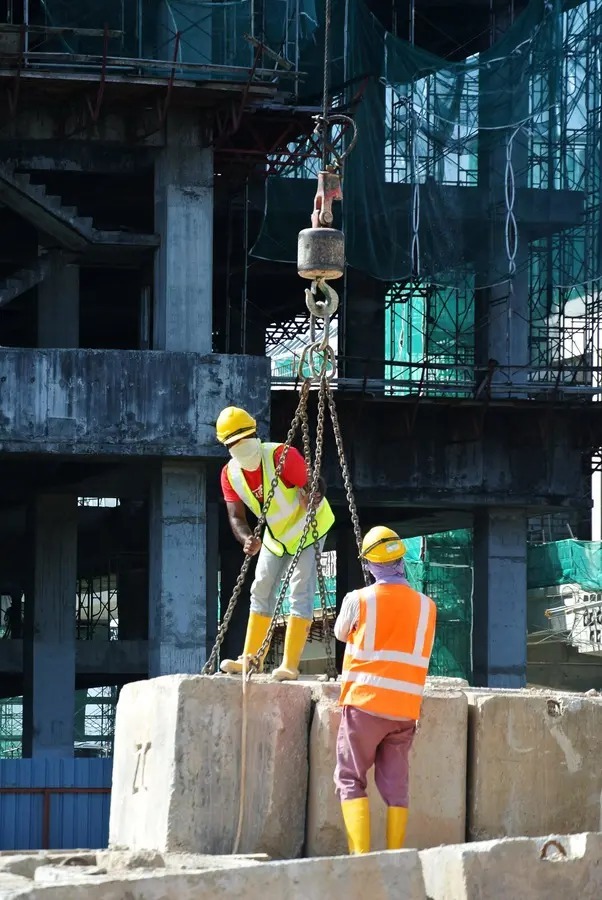
EOT crane load testing is a controlled procedure used to assess the lifting performance of an Electric Overhead Travelling Crane under a defined test load.
The purpose of testing is to evaluate the crane's performance under specified testing conditions. Before the test load is applied, relevant parts of the crane may be examined to identify visible damage, excessive wear, deformation or other conditions that could affect the testing process.
Depending on the crane and inspection scope, the assessment can include the crane structure, hoisting arrangement, hook, wire rope, sheaves, brakes, travelling mechanism, controls and relevant safety devices.
Where appropriate, load cells or dynamometers may be used to measure the applied load during testing. A properly planned testing process provides a more complete assessment than simply checking whether the crane can lift a particular weight.
Why EOT Crane Testing Is Important in Thane
Thane has a long-established industrial and engineering presence, with manufacturing facilities, workshops, warehouses, fabrication businesses and machinery-related operations using different types of lifting equipment.
EOT cranes may be used to shift raw materials, machinery components, fabricated structures, production equipment and heavy assemblies. Repeated lifting and travelling cycles can place continuous operational demands on crane components.
For this reason, inspection and testing can form an important part of an equipment maintenance and safety program. Regular assessment can also help organizations maintain useful inspection records and identify requirements for corrective action.
EOT crane testing can help businesses with:
- Assessment of crane condition
- Lifting performance evaluation
- Inspection of critical components
- Identification of visible wear
- Load measurement
- Post-maintenance assessment
- Post-repair verification
- New crane commissioning
- Periodic inspection
- Certification documentation
- Third-party inspection requirements
The exact inspection and testing procedure should depend on the crane design, rated capacity, application and applicable technical requirements.
EOT Crane Inspection for Thane Industrial Units
An EOT crane can become an important part of a manufacturing or engineering facility's internal material-handling system. It may be used to move heavy components between production areas, maintenance sections, storage locations and fabrication zones.
Before performing a load test, a preliminary inspection can help establish the general condition of the equipment.
Depending on the crane and inspection scope, the following areas may be examined:
- Main crane structure
- End carriages
- Runway arrangement
- Hoisting mechanism
- Crane hook
- Wire rope
- Sheaves
- Brake system
- Travelling mechanism
- Electrical controls
- Limit switches
- Safety devices
- Pendant controls
- General operating condition
If visible defects or abnormal conditions are identified, appropriate corrective action may be considered before further testing.
EOT Crane Testing for Wagle Estate and Industrial Areas
Industrial areas such as Wagle Estate and other engineering-focused locations around Thane include businesses involved in manufacturing, machinery, fabrication, engineering and industrial services.
EOT cranes used in these environments may be required to handle machinery, steel components, fabricated assemblies, production equipment and heavy industrial materials.
For such applications, crane inspection and load testing can be incorporated into an organization's equipment management process. Properly planned testing can provide useful information about crane performance under defined conditions.
EOT Crane Load Testing in Thane can be arranged according to the crane's capacity, operating application and required inspection scope. The testing process may include preliminary examination, component inspection, load measurement, performance observation and documentation.
EOT Crane Hook Inspection in Thane
The crane hook is a critical part of the lifting connection because it directly connects the lifting system with the load.
During an EOT crane inspection, the hook can be examined for visible conditions that may affect its serviceability.
The inspection may consider:
- Visible deformation
- Excessive wear
- Surface damage
- Cracks or suspected defects
- Abnormal hook opening
- Condition of associated components
- General physical condition
Where further examination is considered necessary, an appropriate NDT method can be selected according to the component and inspection requirement.
Inspection of the hook as part of the overall crane assessment helps provide a broader view of the lifting system.
EOT Crane Wire Rope Inspection
Wire ropes are subjected to repeated tension and bending during crane operation. Their condition can change depending on operating frequency, loading, environment, maintenance and lubrication.
During inspection, the wire rope may be checked for visible signs of:
- Broken wires
- Excessive wear
- Corrosion
- Kinking
- Crushing
- Deformation
- Bird-caging
- Other visible deterioration
The condition of associated sheaves and rope arrangements can also be reviewed.
A detailed inspection of the wire rope is useful because the lifting system depends on the combined condition of several components rather than the hoisting motor alone.
EOT Crane Hoisting Mechanism and Brake Inspection
The hoisting mechanism controls the vertical movement of the load, while the brake system helps control and hold the load during operation.
Both systems therefore have an important role in EOT crane performance.
During inspection, the hoisting arrangement and braking mechanism can be examined according to the defined scope. Abnormal movement, unusual noise, visible wear or other operational observations may indicate a requirement for maintenance or additional assessment.
Testing should be planned according to the equipment's technical requirements and applicable recommendations.
EOT Crane Testing for Manufacturing Units in Thane
Manufacturing companies use EOT cranes for different material-handling activities, including movement of raw materials, machinery parts, production assemblies and finished components.
An unexpected crane problem can affect internal material movement and production activities. For this reason, an organized inspection and testing program can be useful for maintaining lifting equipment records and identifying maintenance requirements.
EOT crane testing for manufacturing facilities may be considered for:
- Periodic equipment assessment
- New crane commissioning
- Post-repair verification
- Maintenance verification
- Lifting capacity assessment
- Equipment certification
- Client or project requirements
The testing scope should be determined according to the actual equipment and intended application.
EOT Crane Testing for Engineering and Fabrication Workshops
Engineering and fabrication workshops frequently handle steel structures, machinery components, fabricated frames and heavy assemblies.
EOT cranes can support these operations by allowing large components to be moved between fabrication, machining, assembly and storage areas.
Frequent crane use can create operational demands on hooks, ropes, brakes, hoisting mechanisms and other components.
An inspection and testing program can help identify visible conditions that may require attention and provide useful documentation for equipment management.
Third-party inspection may also be considered where an independent inspection is required by a customer, project or internal procedure.
EOT Crane Testing for Warehouses in Thane
Warehouses and industrial storage facilities may use EOT cranes to handle heavy machinery, industrial p ```